


Introduction
Planning for the future is not just about finances or property; it is also about healthcare decisions. Unexpected medical emergencies can leave individuals unable to communicate their wishes. This is where medical power of play a vital role. These legal documents allow a trusted person to make medical decisions on your behalf when you are incapacitated or unable to speak for yourself.
In today’s complex healthcare environment, understanding is essential for individuals of all ages. Accidents, sudden illnesses, or chronic medical conditions can arise at any time. Without proper documentation, families may face confusion, disputes, and emotional distress when making critical healthcare decisions. By preparing in advance, you ensure your voice is heard even when you cannot speak.
This guide offers a deep and meaningful explanation of benefits, legal aspects, and how they fit into comprehensive healthcare planning.
What Are Medical Power of Attorney Forms?
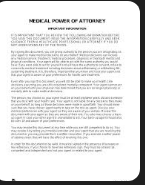
A Medical power of attorney forms are legal documents that grant authority to another person, often called a healthcare agent or healthcare proxy, to make decisions on your behalf. These decisions come into effect only when you are deemed medically incapable of making your own choices.
Unlike general legal powers, these forms focus exclusively on healthcare matters. They can include decisions related to medical treatments, surgical procedures, medications, life-support measures, and end-of-life care.
Common high-search-volume related keywords include healthcare power of attorney, durable power of attorney for healthcare, healthcare proxy, advance healthcare directive, and medical decision-making authority. Each of these terms is closely connected to medical power of attorney forms and is often used interchangeably depending on jurisdiction.
Why Medical Power of Attorney Forms Are So Important
The importance of cannot be overstated. When no document exists, healthcare providers may rely on default legal hierarchies, which may not reflect your true wishes. This can lead to delays in treatment, disagreements among family members, or decisions that conflict with your personal values.
With , you gain peace of mind knowing that someone you trust will advocate for your healthcare preferences. This document ensures clarity during emotionally charged situations and reduces the burden placed on loved ones during medical crises.
Additionally, these forms protect patient autonomy. They ensure your rights are respected even when you cannot actively participate in decision-making.
Key Differences
Many people confuse medical power of attorney forms with living wills, but they serve different purposes. A living will outlines your preferences for medical treatment, particularly end-of-life care. In contrast, appoint a person to make decisions on your behalf.
While a living will provides instructions, it cannot anticipate every possible medical scenario. A healthcare agent designated through can interpret your values and apply them to unforeseen circumstances. Together, these documents form a strong foundation for advance care planning and healthcare directives.
Who Should Have Forms?
Everyone over the age of 18 should consider having medical power of attorney forms in place. Medical emergencies are not limited to older adults. Young adults, professionals, parents, and individuals with chronic conditions all benefit from this legal protection.
People undergoing major surgery, living with long-term illnesses, or caring for dependents should prioritize creating medical power of attorney forms. Even healthy individuals can face unexpected accidents that temporarily or permanently affect their decision-making capacity.
Choosing the Right Healthcare Agent
Selecting the right person is a crucial step in completing medical power of attorney forms. Your healthcare agent should be someone you trust deeply, who understands your values, beliefs, and preferences.
This person must be emotionally strong, capable of communicating effectively with medical professionals, and willing to advocate for your wishes. Discuss your expectations clearly before naming them in your medical power of attorney forms to avoid misunderstandings later.
Legal Authority Granted
Medical power of attorney forms grant significant authority to the appointed agent. This includes consent to or refusal of medical treatments, access to medical records, decisions regarding long-term care, and choices about life-sustaining measures.
The authority usually becomes effective only when a licensed physician certifies that you are unable to make decisions independently. This ensures your autonomy remains intact as long as you are capable.
Understanding the Concept of Durable Power of Attorney for Healthcare
A consumer law attorney means that the authority granted remains valid even if you become incapacitated.
Durability ensures continuity of decision-making authority during prolonged illness or recovery.
State-Specific Laws and Medical Power of Attorney Forms
While the core concept remains consistent, states may have different requirements for witnessing, notarization, and specific language.
Understanding local legal standards is essential to ensure your . Failure to comply with state-specific regulations may render the document ineffective during critical moments.
How Protect Patient Rights
Patient rights are at the heart These documents ensure that your medical treatment aligns with your personal beliefs, cultural values, and ethical preferences.
By appointing a healthcare agent, you prevent unwanted interventions and ensure informed consent is always respected.
The Role in Emergency Situations
In emergency situations, time is critical.
Hospitals and doctors often rely on these documents to identify the authorized decision-maker. Without them, treatment may be delayed while legal authority is determined.
Common Mistakes to Avoid with
One common mistake is failing to discuss preferences with the appointed agent. Medical power of attorney forms are only effective when your agent understands your values.
Another mistake is not updating the document after major life changes such as marriage, divorce, or relocation. Regularly reviewing your medical power of attorney forms ensures they remain relevant and accurate.
Updating and Revoking
Life circumstances change, and so may your healthcare preferences.
Updating ensures that your chosen healthcare agent remains appropriate and that your medical wishes reflect your current beliefs. Proper revocation procedures prevent confusion and ensure outdated documents are not used.
How Reduce Family Conflict
Family disagreements often arise during medical crises.
By clearly naming a decision-maker, families avoid disputes over who has authority. This clarity helps preserve relationships during emotionally challenging times and ensures decisions are guided by your wishes rather than conflicting opinions.
The Connection Between and Advance Care Planning
Medical power of attorney forms are a vital component of advance care planning. Advance care planning involves preparing for future healthcare needs and documenting preferences before a crisis occurs.
When combined with documents like advance healthcare directives and living wills, create a comprehensive healthcare plan that prioritizes autonomy and dignity.
Ethical and Emotional Considerations
Creating is not just a legal task; it is an emotional and ethical decision. It requires reflection on personal values, quality of life, and end-of-life care preferences.
Open discussions with loved ones foster understanding and acceptance.
How Healthcare Providers
Healthcare providers rely on medical power of attorney forms to guide treatment decisions when patients are incapacitated. These documents help doctors align medical care with patient preferences.
They also protect providers legally by confirming that decisions are made by an authorized individual.
The Long-Term Benefits of Medical Power of Attorney Forms
The long-term benefits of medical power of attorney forms extend beyond emergencies. They offer peace of mind, reduce stress for families, and ensure continuity of care.
By proactively planning, individuals avoid uncertainty and maintain control over healthcare decisions. Over time, these benefits contribute to a more organized, respectful, and patient-centered healthcare experience.
Conclusion:
In an unpredictable world, preparation is a powerful tool. Medical power of attorney forms empower individuals to maintain control over their healthcare decisions, even during incapacity.
They protect patient rights, reduce family conflict, and ensure that medical care aligns with personal values. By understanding and utilizingindividuals take a meaningful step toward responsible healthcare planning and long-term peace of mind.
