


1. Introduction
If you are searching for how do you get power of attorney, it means you want to legally allow someone to make important decisions for you. This could be related to managing your bank accounts, real estate, medical care, business, or other personal matters. Creating a (POA) can protect you during emergencies, illness, travel, or simply when you need help with daily responsibilities.
This comprehensive guide helps you understand
- Different types of POA
- Who can be your agent
- When you should set it up
By the end of this article, you will clearly understand the entire legal process and confidently plan your future with the right decisions.
2. What Is a Power of Attorney?
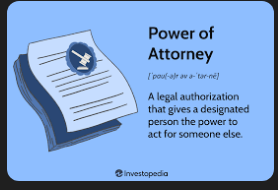
A Power of Attorney is a legal document that gives someone (called an agent or attorney-in-fact) the authority to handle your personal and financial matters.
You (the one who creates the POA) are called the principal.
This important legal document is often part of:
- Estate planning
- Health care planning
- Financial management
- Long-term care planning
A trust attorney can have limited authority or complete decision-making power depending on what you choose.
3. Why Do You Need a Power of Attorney?
Creating a helps when:
- You travel abroad frequently
- You fall ill or become physically unable to manage things
- You want someone to handle finances during emergencies
- You want to secure your estate and business operations
Other common reasons include:
- Senior citizens with memory conditions like dementia or Alzheimer’s
- Military personnel deployed abroad
- Disabled individuals needing caregiver support
- People undergoing long-term medical treatment
Without a POA, your family might need a court order to make decisions for you, which is expensive and time-consuming.
4. Types of Power of Attorney
Different situations require different legal authority. The most common types include:
A. Financialer
Gives authority to handle:
- Banking
- Bills
- Taxes
- Investments
- Property transactions
B. Medical Power of Attorney
Allows decisions about health care, treatments, medications, and nursing care.
Keywords: Health Care Power of Attorney, Medical POA
C. Durable
Stays valid even when the principal becomes mentally incapacitated.
Keywords: Durable of , Enduring
Becomes effective only after a specific event, such as a doctor certifying incapacity.
Keywords: Springing POA activation, conditional POA
E. Special Power of Attorney
Used for specific tasks like:
- Selling a house
- Managing a business
- Handling one bank account
Keywords: Special Limited, temporary POA
5. Important Legal Terms You Need to Know
| Legal Term | Meaning |
|---|---|
| Principal | Person giving authority |
| Agent or Attorney-in-fact | Person receiving authority |
| Notary Public | Official who verifies signatures |
| Witnesses | People who observe signing |
| Revocation | Canceling a POA legally |
| Incapacity | When someone loses ability to make decisions |
These terms will appear throughout the POA process.
6. Step-by-Step: How Do You Get Attorney
Step 1: Decide What Kind of Authority You Need
Choose between medical, financial, durable, or limited POA.
Step 2: Choose a Reliable Agent
This should be someone who is:
- Trustworthy
- Responsible
- Good with decisions
Step 3: Prepare the Power of Attorney form
You can:
- Use online Power of Attorney templates
- Ask for a lawyer
- Visit property registry depending on local laws
Keywords: Power of Attorney forms, downloadable POA, legal POA template
Step 4: Sign the Document in Front of a Notary
Most jurisdictions require:
- A Notary Public
- Two witnesses
This ensures legality and prevents fraud.
Step 5: Register the POA (If Required)
Some states/countries require registration for:
- Real estate
- Property management
- Court-related decisions
Step 6: Provide Copies to Relevant Institutions
Such as:
- Banks
- Hospitals
- Government offices
This ensures your POA will be recognized when needed.
7. Who Can Be Granted Power of Attorney?
Your will attorney near me must be:
- 18 or older (legal adult)
- Mentally capable
- Willing to accept responsibility
Common choices include:
- Spouse
- Adult children
- Parents
- Trusted friend
- Professional advisor
You can assign multiple agents to avoid misuse of power.
8. Key Documents Required
To create a recognized Power of Attorney, you may need:
- Government ID (both principal and agent)
- Medical certificate (if applicable)
- Proof of address
- Passport-size photographs
- Original Power of Attorney document
Providing correct documents ensures faster approval.
9. How to Choose the Right Agent
Choose someone who:
✔ Understands your values
✔ Can handle responsibility
✔ Has legal and financial understanding
✔ Will not misuse authority
Avoid someone with:
✘ Financial disputes
✘ Legal issues
✘ Poor decision-making habits
Your future security depends on this choice.
10. State-Specific or Country-Specific Legal Requirements
Each region has unique POA laws. For example:
- Some require mandatory registration
- Some require doctor certification for medical POA
- Some place limits on property transactions
Always check local laws before signing.
11. Lawyers vs. Online POA Services
Hiring a Lawyer
✔ Expert guidance
✔ Avoid legal errors
✔ Strong document validity
✘ Costly option
Online POA
✔ Fast and affordable
✔ Customizable forms
✘ May lack full legal accuracy
Best choice: Combine legal review + online templates for safer results.
12. Common Uses: Medical and Elder Care
A Durable Medical Power of Attorney is essential when:
- Elderly individuals require long-term care
- Hospitalization is expected
- Risk of incapacity increases
High-rank keywords:
- Elder care Power of Attorney
- Dementia Power of Attorney
- Nursing home decisions
13. How Much Does Power of Attorney Cost?
Costs depend on:
- Type of POA
- Legal assistance
- Registration fees
- Copies and notary charges
Average expenses range from:
- Low-cost: Online forms + basic notarization
- Higher cost: Lawyer-prepared document for complex estates
Investing early saves court battles later.
14. Common Mistakes to Avoid
- Choosing an unreliable agent
- Making a POA non-durable when illness risk exists
- Not giving copies to banks/hospitals
- No legal witnesses at signing
- Forgetting to update after major life changes
Always review your POA once every 2–3 years.
15. How to Cancel or Change a Power of Attorney
You can revoke a POA if:
- Your decision changes
- Trust with the agent is broken
- A new POA is issued
You must:
- Create a Revocation of Powerdocument
- Notify your agent and institutions
- Record the cancellation if previously registered
This prevents misuse of your authority.
16. Frequently Asked Questions
Q1: How long is Attorney valid?
Depends on document type; Durable POA remains valid even during incapacity.
Q2: Can you have multiple Power of Attorneys?
Yes — separate financial and medical POA is common.
Q3: Can POA be used after death?
No — after death, only the executor or legal heir manages affairs.
Q4: Can I do a POA without a lawyer?
Yes, but legal advice ensures accuracy and enforceability.
Q5: Who keeps the original POA?
Usually the how do you get power of attorney principal, but copies go to:
- Agent
- Lawyer
- Registries
- Banks/Hospitals
17. Conclusion
Understanding how do you attorney is essential for protecting your future. Whether you choose a Durable Power of Attorney, Medical Power of Attorney, or Financial Power of Attorney, making the right legal arrangements early ensures:
✔ Peace of mind
✔ Financial protection
✔ Health care support
✔ No court obstacles for family
Creating a POA is an act of responsibility — it empowers someone you trust to care for your life decisions when you cannot.
Take proactive steps today, consult a lawyer if needed, and secure your independence with a well-executed Power of Attorney.
